
Our flight from Panama City to Cartagena, Colombia, was uneventful. We stepped down the stairs from the airplane and into South America! We were finally here, after dreaming of this moment for the last few years. It was my first new continent! Though we absolutely enjoyed our time in North and Central America, the main goal for the trip has been to explore South America. We only had to wait around half an hour in the line for customs, while our friends who were about a week ahead of us had waited over an hour and a half! Two more planes landed after ours, and the people at the back of the customs line must have waited forever.
I’d booked an AirBNB about a week ago for our stay here, and we went outside the airport to catch an Uber over there. We first had to wade through the hordes of taxi drivers looking to give us a ride- some were a bit aggressive! We finally made it to our ride and were whisked across town. Traffic was pretty heavy, and the drivers were even crazier- perhaps even more so than Panama City. We arrived at our place, which was a small hotel- only 10 rooms. It had a nice common area with a full kitchen and living room. Our room was small but clean, with only the essentials- bed, desk, closet, and bathroom. Our room didn’t have a window, which definitely felt strange, but I’m sure not having it made the A/C work that much better- and boy oh boy, we used the A/C. Cartagena was HOT, and very humid.
Once we had checked in and put our things in our room, we went out in search of food. It was nearly 3pm, and I hadn’t eaten a meal since 1pm the previous day, and Delaney had only had a small dinner of her leftover pizza. We’d left Panama City too early for breakfast, and the airport only had a small vending machine. We found a burger joint a few blocks away, and demolished two giant burgers. Our hunger satiated, we went back to the hotel and slept until late the next morning.
We met our friends Bri and Tevin (we’d met in Oaxaca) for brunch at a café a few blocks away. They’d just gotten their Landcruiser out of the Port the previous day after shipping it from Guatemala. We had a great time catching up with each other, and we plan to spend some time with them in Medellin! We stopped to get some local currency (“Colombian Pesos”) on our way home. Colombia never “renumbered” their devaluing currency as many other Latin American countries, so the numbers are huge- their smallest coin is 50 pesos, equivalent to about a penny, and their largest bill is 100,000 pesos, equivalent to around $27USD.
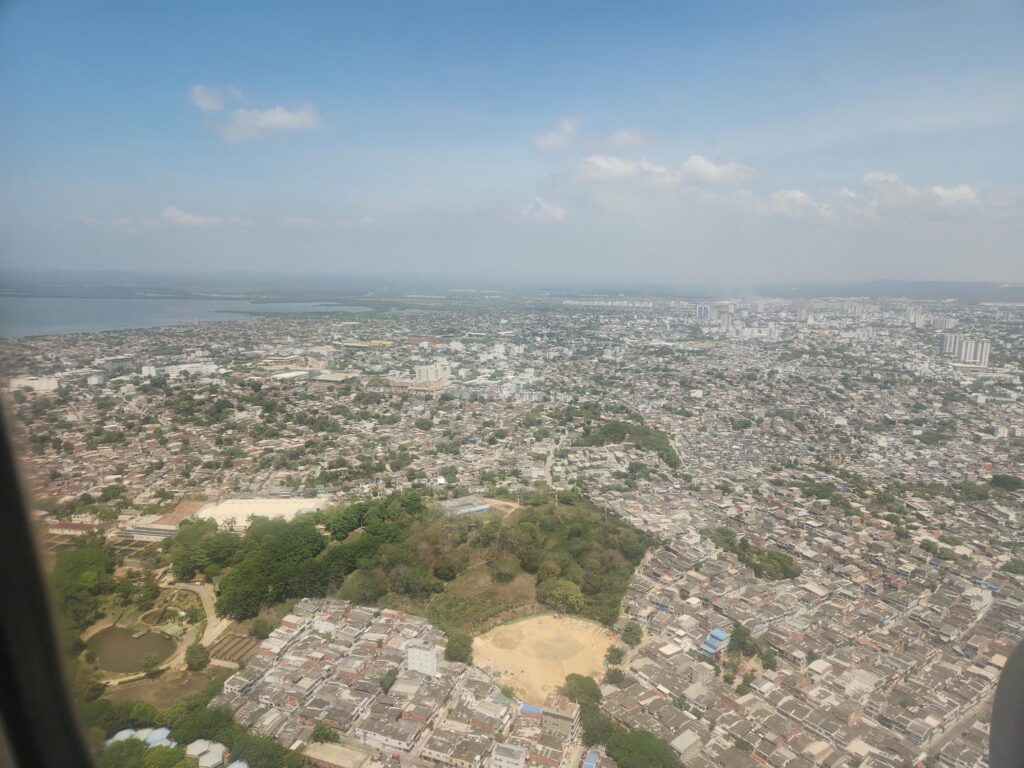

The next few days were a bit of a blur. We would go out and get breakfast at one of the many cheap cafés near our hotel, then retreat back to our airconditioned room for the hot part of the day, before walking out to the “old town” part of Cartagena around 5pm for dinner. We met up with Pia and Dominic a few times to explore, as well as Frank, Karin, and Tim. Cartagena is a fascinating town with amazing history- it was founded in 1533, only 41 years after Colombus discovered the New World! It was a major Spanish port on the Caribbean, and most of the riches that propelled the Spanish into a major power in the 1600s passed through Cartagena. Most of the silver that was minted into the famous “pieces of eight” was mined in western South America, and then carried by ship north where it was taken overland to Cartagena and shipped back to Europe.
The riches that passed through Cartagena attracted some unsavory attention, and the city was attacked multiple times, both by pirates and by the British. To combat this, a large fort was built near the city, and the city itself was encircled by walls, and is now called the “walled city”. The streets in the walled city are incredibly tight, and I’m sure glad we didn’t have to drive through them! We did enjoy several evening walks through, looking at all the different shops, performers, cathedrals, and more.


I won’t write down all the stories from our time in Cartagena, but here are a few: at breakfast one day, we met two middle-aged ladies who said they worked on the cruise ship we’d noticed that was moored in the harbor. They turned out to be Scientologists, working on the ship, and the ship was owned by the so-called Church of Scientology. The ship apparently bounces around the Caribbean and hosts different workshops for Scientologists. Weird.
One night out with Dominic and Pia, we decided to go take advantage of the cheap two-for-one margarita deals we’d seen advertised. We ended up down a narrow alley filled with tables and chairs- each drink vendor had claim to roughly 15 feet of sidewalk, and they eagerly waved passing tourists in to their specific tables. Each vendor had their own speaker blasting music, and the cacophony of different Spanish songs was overwhelming. Other than the margaritas, we also ended up with a “bucket of beer”- 10 beers for around $10, all in a bucket of ice. It was a great night out together!


When we were stuck back in our hotel during the day, we caught up on “life” stuff. The big one was doing our taxes- being stuck in a hotel room was the perfect excuse to finally get them done. We also spend time talking with our families- I think we each talked to all of our siblings and parents in those first few days. The shipping process also continued. We needed to send a bunch of paperwork to the Colombia side agent, which included getting some paperwork notarized. There are many notary offices in Cartagena, but we had trouble finding one that was open. After a couple days of trying we finally did find one, and we now had all our paperwork together to get the jeep out of the container.
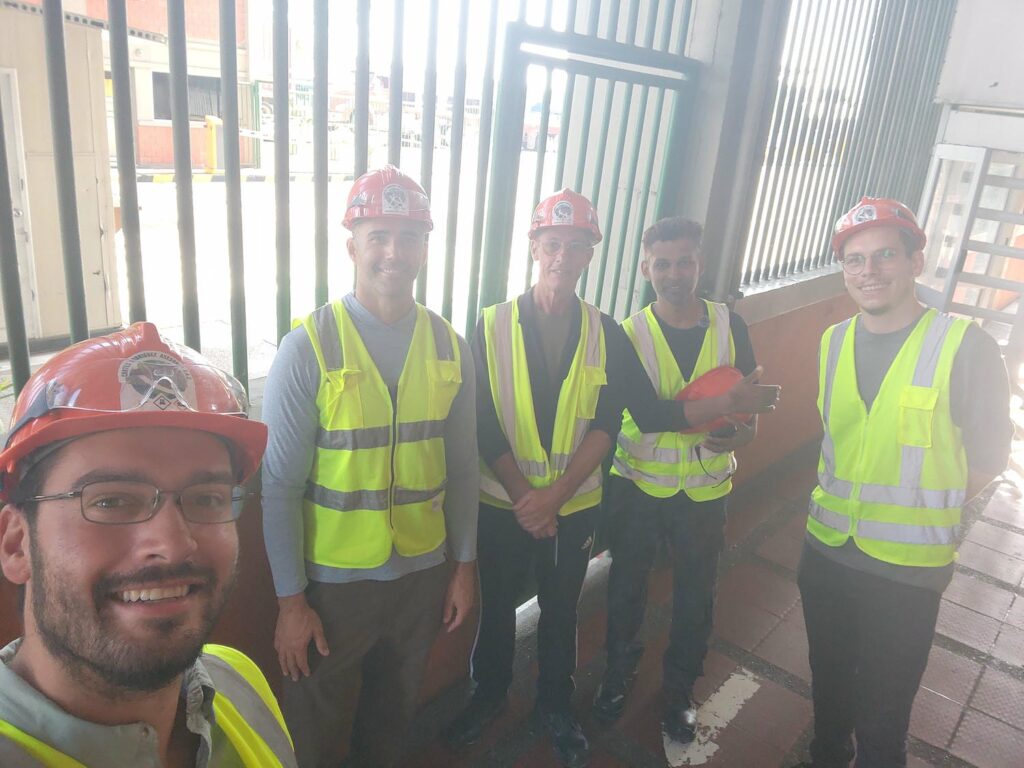
Seven days after arriving in Cartagena, the container ship finally arrived and offloaded the container- but unfortunately they weren’t ready early enough in the day for us to get it out. The next day, we all met at 6am outside the port office- all 6 of us who had shipped. We signed some more paperwork, and were issued temporary port badges so that we could enter. Only one person per vehicle was allowed in, so Delaney and Karin waited in a nice air-conditioned office while the rest of us sweated in the boiling heat. The containers were opened one by one, and the vehicles were untied and driven out by the port personnel as we watched. Dominic and Pia’s van was a bit of a problem- the port workers were too large to fit past the van to untie the front of it! The smallest one finally crawled through the front window and onto the hood. The jeep was the last vehicle to be unloaded. The port worker drove it around to the other side of the container, where I then drove it to another area of the port to park it.
This sadly was not the day that we were able to drive the jeep out of the port- it takes a minimum of two days after the container is unloaded off the ship, but can easily stretch to four, as ours did. The next day we met at the Aduana (customs) office in Cartagena to sign some paperwork, and finally the day after that we all met back at the port to drive our vehicles out and into Cartagena. We all stopped after exiting to put our vehicles back in order- reconnect house batteries and solar panels, air up tires for Dominic and Pia, and wipe down some of the dust that had accumulated. This was our splitting point from the other groups- though we would see most of them down the road, we would all scatter from here into South America. We’d had a great time getting to know the other groups, and had enjoyed multiple nights out, dinners, and conversations.

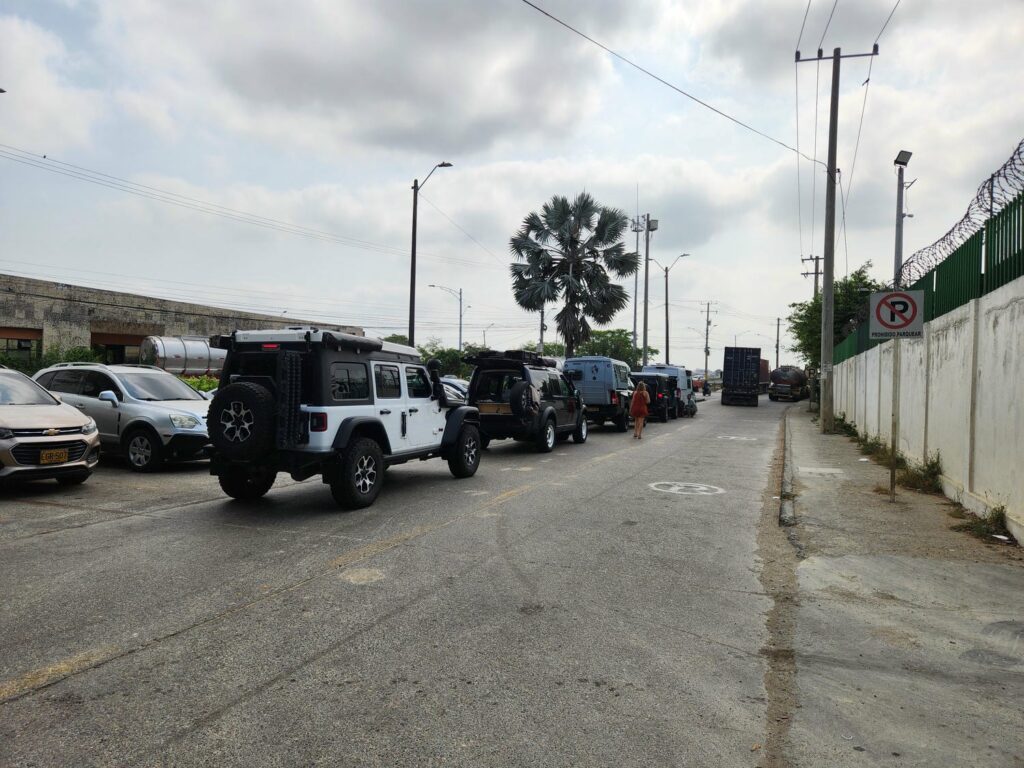
We drove back to our hotel and the jeep thankfully fit under the gate to their small parking area, so we wouldn’t have to worry about being parked out on the street. We went out shopping, and filled the jeep to the brim with food. We spent our last night in the wonderful air conditioning before heading out early the next morning. We had one last stop before we left Cartagena- while walking between our hotel and the old town district, the fort of San Felipe loomed to our north.


We hadn’t visited it yet, and took the opportunity to stop. I had fairly low expectations, but the fort was really interesting, complete with original cannons, huge numbers of tunnels through the middle to transport cannonballs and other materials, and semi-permanent causeways that could be removed in case of invasion. It was well worth the ~$7 price of admission!
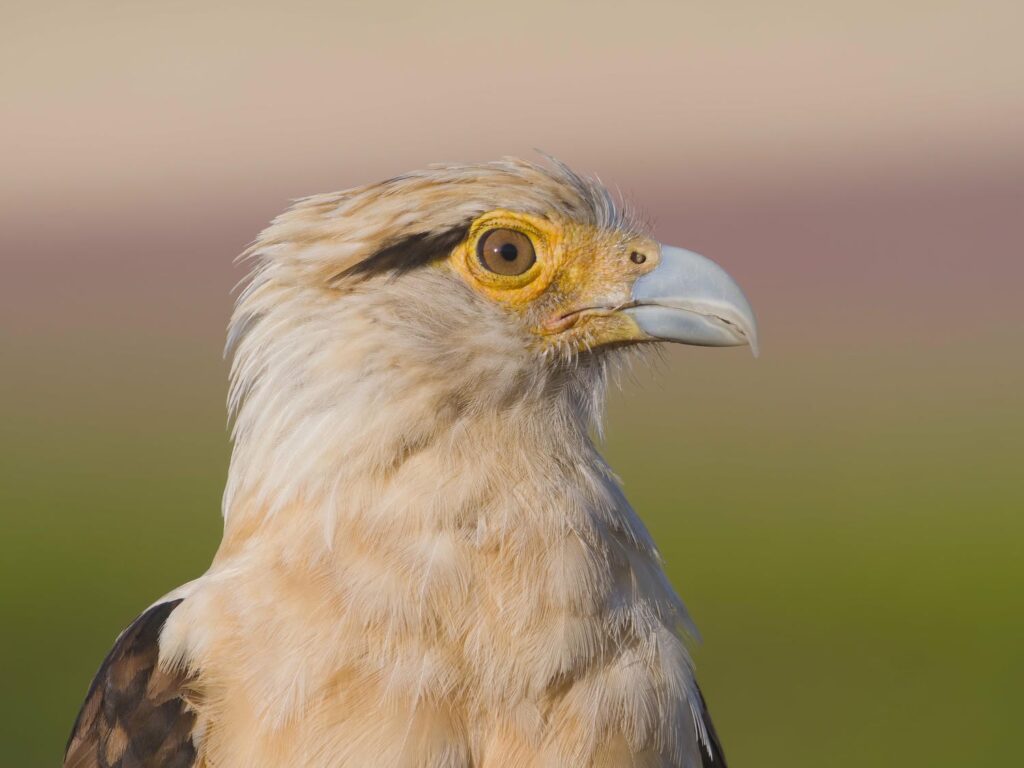

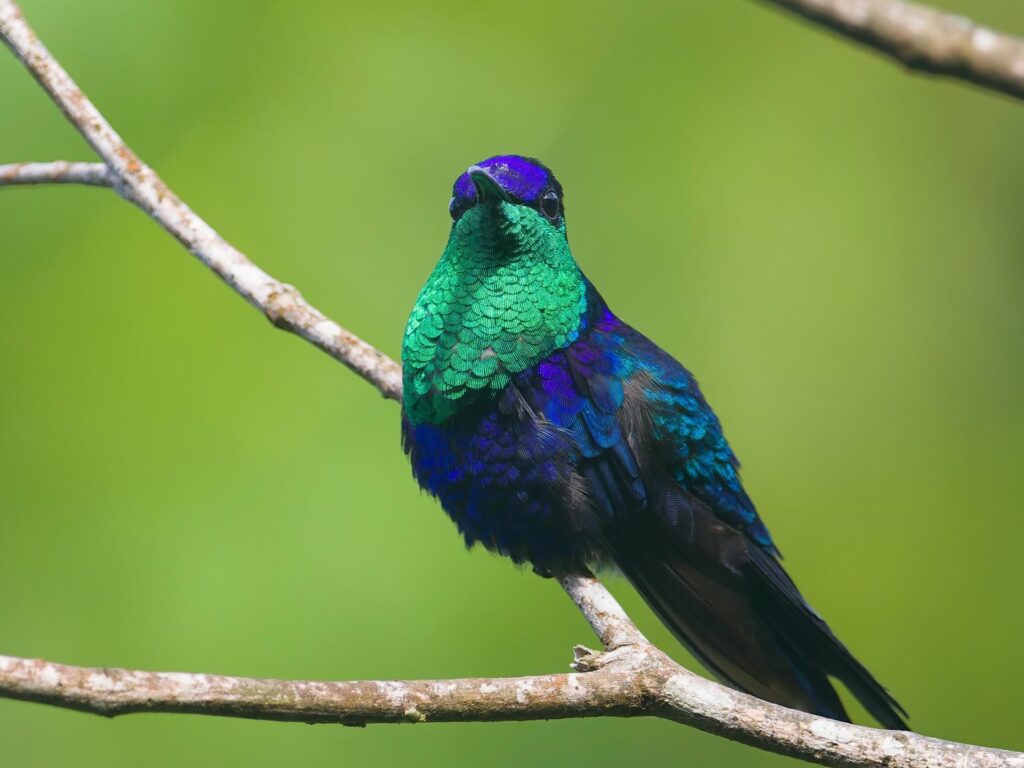
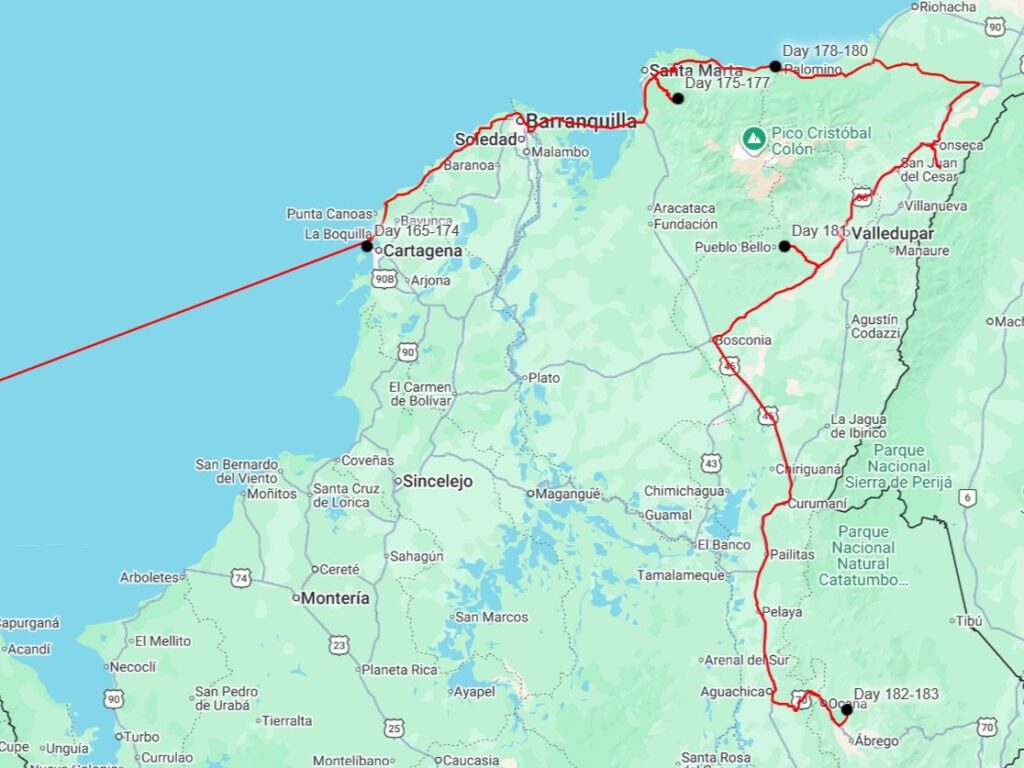
Finally, we drove out of Cartagena and onto the open highway. It had been two weeks since we’d been on the road, and it was exhilarating to begin exploring a new continent. We headed northeast along the coast, through some fairly boring scrubland. We got occasional views of the ocean, but the drive wasn’t too interesting. We drove through the large city of Barranquilla, which thankfully didn’t have too much traffic, before crossing the Magdalena River, Colombia’s largest river. We stopped not too much further on at Salamanca National Park, to find the rare and endangered Sapphire-Bellied Hummingbird. It has an extremely tiny range, and the IUCN, which is the designator of the Critically Endangered/Endangered/Threatened scale estimates that there are only 285-440 mature birds left. Entry to the park was a bit pricey at 80,000 pesos or $22USD, so Delaney graciously stayed in the jeep and read a book while I went in search of the hummingbird. The area was very close to the coast, with swampy mangroves closer to the beach and dry forest further away. The hummingbird was supposed to live in the interface between the two areas, and it didn’t take me too long to find one. I finally got a picture of it, and spent another 20 minutes wandering around the mangroves. Near the small visitor center there was a large concrete “swimming pool” that had a full-size crocodile in it! It sadly wasn’t a wild crocodile, though there are apparently many living in the mangrove swamp.


I was a bit nervous about the next section of highway- there were lots of warnings on iOverlander (the app we use to find campsites and other services) about corrupt police and bribes. We fortunately were waved through all the checkpoints. Looking at google maps, I’d thought that the area would be way more interesting. The road went across a pseudo-barrier island, with the open ocean to our north and a lagoon to our south. As it turned out, we could barely see either side- the ocean or the lagoon. At the east end of the narrow section of land, we passed through a small town that was possibly the poorest area we’d seen on the entire trip. There was trash absolutely everywhere, every open piece of land. The houses were mud brick with tin roofs, and looked to be in pretty bad disrepair. The people looked beaten down, and had very worn and dirty clothing. It was heartbreaking to see such poverty, but we didn’t dare stop.
Mountains had finally come into view through the haze- real mountains! These were the biggest mountains we’d seen since Mexico. We hurried in to the town of Minca, and then continued up a 4×4 trail until we were at over 12,000ft. Finally- a comfortable temperature! Cartagena and Panama City had been blazing hot, and now we were in jeans and hoodies again. We spent three nights at this spot, high in the mountains, enjoying the cool weather.


The 4×4 trail is in place to access a small military base at the top of the ridge we were on- Cerro Kennedy. We hiked all the way up one day, to over 13,000ft. There were amazing views of the highest mountain in the range, the glacier-covered Pico Cristobal Colon, at 18,947ft! The base is draped over the top of the mountain, with tons of communication towers everywhere. I talked to a few of the soldiers on a different day, and they said that they are there solely to guard the communication towers. I suppose that being so close to both Venezuela and the Caribbean that the towers are quite important- and perhaps among the towers are radar and other early-detection technology.


Two out of the three full days we were there, twenty or thirty soldiers walked past our campsite, headed either up or down the mountain. They were all fully kitted out- full backpacks, canteens, and Galil Cordova machine guns! It was quite a bit of weight to be carrying up and down the mountain, and it was odd to us that the military would make them walk the 10 or so miles from Minca rather than drive them up. Several of them asked us to feed them, saying that they hadn’t been fed breakfast. Some were quite persistent! We didn’t have enough food to give them, but we did give a few of them some extra water, which they were very grateful for. I know that Colombia is a very poor country, but it seems that their military does not support their soldiers nearly to the same level that more wealthy countries do.


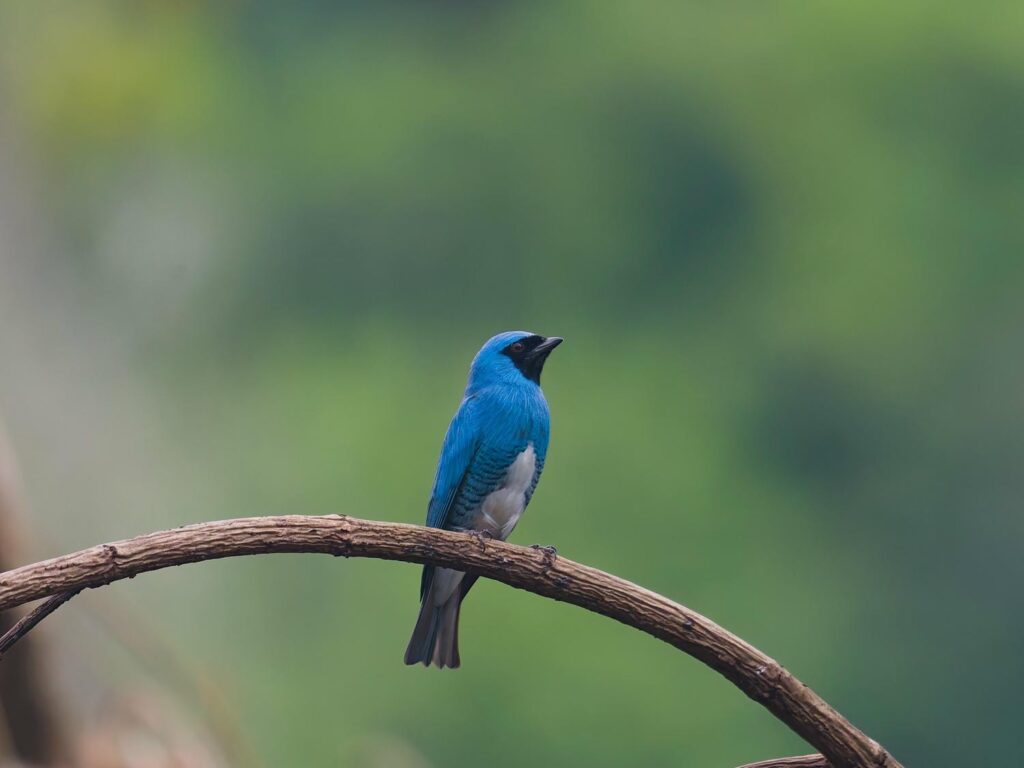
While the primary reason that we’d come here to the Santa Marta mountains was the cool weather and our first wild camping for two weeks, the second reason was birds. This mountain range, isolated from the rest of the Andes mountains, has 20 endemic species of birds, with many more that may be separated from other similar species in the future. This is one of the highest rates of endemism on the planet for such a small area- the range is roughly 2000 square miles, about the size of Delaware. The 4×4 trail that we were camped along is the most popular area in the mountains to find these endemic species, and we found a lot of them! We ran into a lot of other birders on the trail, who were all part of large tour groups. The leader of one of the groups had spent some time guiding birders in Alaska! We were so thankful to be camping here all by ourselves and not part of a giant group.


After three nights, we trundled back down the mountain and back into the heat. On our way out we stopped at The Mountain House, a small lodge with some hummingbird feeders. We spent nearly two hours here, enjoying some amazing coffee and watching the hummingbirds zoom around. There were lots of other birds around too, all incredibly colorful. It was a great spot for photography!

We’d heard from Dominic and Pia that there was a great campsite near Palomino, north of the mountains along the coast. They were leaving the campsite that day, but they said that Tim was also staying there, so we headed over. In Nicaragua, we’d started using the navigation app Waze more instead of Google Maps, as Waze will warn you ahead of time for police checkpoints or speed cameras ahead. Waze is unfortunately much more aggressive in avoiding toll booths, and took us on a wild goose chase to avoid a $3USD toll. We ended up on a tiny road that got smaller and smaller, and eventually turned into a rutted-out 4×4 trail. We tried to get through it for a while, but after picking two tires off the ground at the same time, we gave up and turned back. Luckily we found a different route that fortunately went through, so we didn’t have to backtrack half an hour and go through the toll booth anyways! In Mexico there are free roads paralleling almost every toll road, so we’d gotten used to routing around the toll booths, but in Colombia, there aren’t any other options than the toll roads.


We arrived at the campsite in Palomino and said hi to Tim. He sure was surprised to see us! The campsite was beautiful, backed up to a white-sand beach with huge crashing waves. There were palm trees overhead and an amazing breeze. It was definitely the coolest of any of the beach spots we’d been at since Baja California!
Also at the campsite were Dan and Patricia. Delaney had met Patricia during our police inspection in Panama City as they’d been there the same day, but for roro, or roll-on-roll-off shipping instead- their Sprinter van won’t fit in a container. We hadn’t met Dan in Panama City because he’d stayed in the van to take care of their dog, a boxer named Brodie. It was amazing to be able to play with a dog that we knew was healthy and clean- there are adorably cute street dogs everywhere in Latin America, but many have parasites and other possibly contagious health problems.
We were quickly acquainted with Dan and Patricia, who were from California and had just retired. We’d been told over and over again that there we would meet very few other Americans on our trip, but here we were with Tim as well as Dan and Patricia, all coincidentally at the same campsite! Dan mentioned that he was having a problem with the van after shipping- the shore power connection wasn’t charging. To make matters worse, they’d had a bunch of things stolen from their van during shipping, including all their tools. One of the major downsides of not being able to fit your vehicle inside a container is dealing with roro shipping, where your vehicle is driven on and off the ship by the shipper, who therefore has your keys and plenty of time to snoop around your vehicle. There really isn’t any legal recourse for recouping anything either, as there are different people and companies who load, ship, and unload your vehicle, making it impossible to pin the crime on one company or person.
I lent Dan some tools so that he could open up his electrical compartment and see what the problem was- had he forgotten to plug something back in after the mandatory battery disconnection during shipping? Everything there was fine, so we started tracing the shore power connection. Everything there looked fine also. I got out my multimeter to see if the extension cord from the campsite had any power, and it did- but only at 80 volts, not the standard 110 volts! All the other outlets at the campsite were also at 80 volts. No wonder the shore power charger wouldn’t work!
We spent three wonderful nights at the campsite. We sat and enjoyed the cool breeze, played with Brodie, and spent lots of time hanging out with Tim, Dan, and Patricia. Our jeep and Tim’s are very similar, so we spent several hours going back and forth to see how the other one was built. We had some very similar design philosophies and had a great time talking about things we’d improve or redo if we had the chance to do it all over again. We all walked into Palomino one morning to restock on some groceries, and took a tuktuk back- my first time riding in one! That night, we gathered around Dan and Patricia’s outdoor table and played an hours-long tequila-fueled game of Uno, complete with lots of aggressive trash-talking.
During our game, long after night had fallen, a bunch of other SUVs came into the campground- at least 10 of them! Some of them had jeeps just like ours and Tim’s, so we couldn’t wait to see how they’d outfitted them. The next day we went over to introduce ourselves, and saw how they’d built theirs out. Many of the parts had to be imported from the U.S., which has to be very expensive! They were also interested in how we had done things, so a bunch of them came over to see our jeeps. Ours were much different from theirs- purpose-built to live in and drive across the world, not so much to go on weekend trips, so they were a bit stunned at how much we’d modified things. Only two or three of the 10 people spoke English, but we overheard one of the women telling her husband as she pointed at different things on our jeep “yo quiero, yo quiero, yo quiero!”– I want, I want, I want! Our utensil holder and spice holder, both of which Delaney built, are always big hits.


It was finally time to leave, and time to say goodbye to Tim. He travels much more slowly than us, spending lots more time in each country, so it is unlikely that we see him anytime soon. It was so wonderful getting to know him, and we will miss him a lot. He travels in a very similar way that we do- avoiding population centers, taking back roads, and camping in the middle of nowhere if possible. He’s also a hardcore jeep guy, so we connected instantly. Hopefully we see him somewhere down the road, but if not, we’ll get him up to Alaska at some point.
We were headed to the same place as Dan and Patricia, but it was a two-day drive away, so we’d have to find an intermediate camp. We left the campground separately but stayed in touch to see who would find a good campground first. We drove east from Palomino, and the coastal jungle soon gave way to a much drier climate. We’d considered continuing along the coast to the northeast, which leads to an odd desert area along the coast. There are apparently loads of 4×4 trails through the desert, which was appealing to us- but what wasn’t appealing was the reports of lots of mini roadblocks, mostly by children. This area is mostly populated by indigenous, and is one of the poorest areas of Colombia. The children, as well as adults, will hold ropes across the road and demand payment for crossing “their” land. Sometimes there will be 4 rope stops in a row, only 50 feet apart! Most are happy with a few coins or some candy, but we hate paying unofficial bribes or tolls. It is possible to simply blow through the roadblocks, but then there are reports of the children (and adults) possibly throwing rocks at us as we pass. The end of the road is a lighthouse which marks the northernmost point of South America, which we would be quite interested in visiting, but we just weren’t interested in getting through the 60 or so roadblocks that we’d heard were on the way.
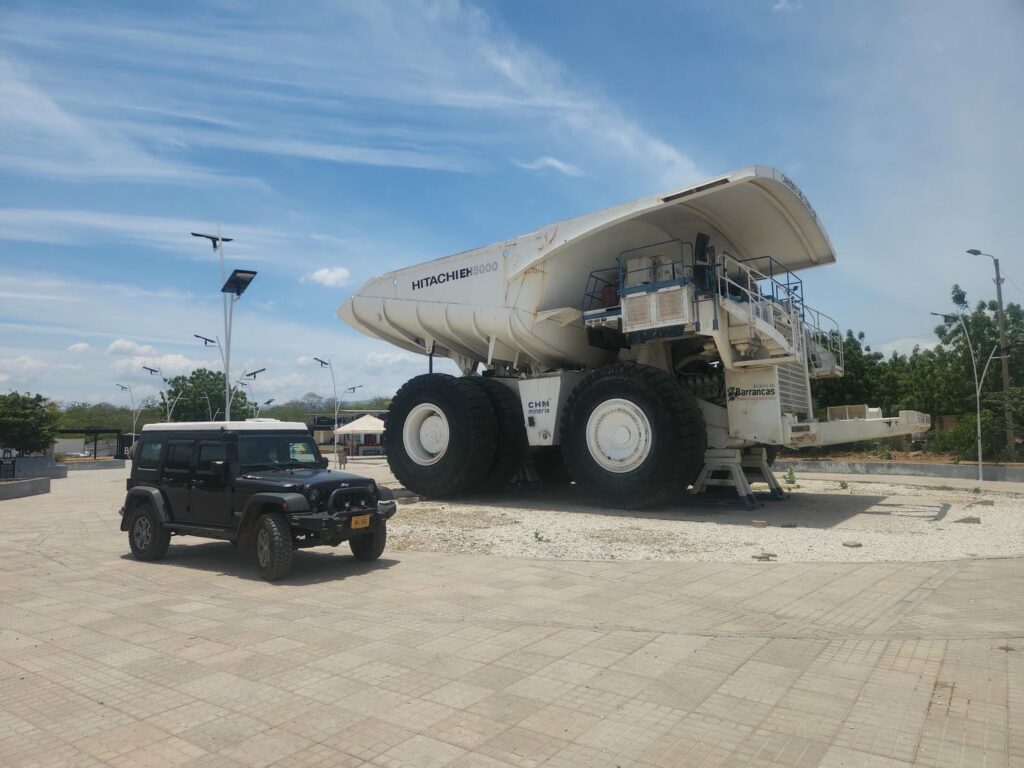
Our route consisted of driving along the north, east, and south sides of the Santa Marta mountains, but only the south side had any decent scenery. As we drove along the south side of the mountains, we were in a wide, dry valley- contrasting with the wet jungle of the mountains. This dry valley is the barrier between all of the endemic species of the Santa Martas and the main Andes mountain range on the other side of the valley, further south, which has a similar climate. It is fascinating to me how a valley only 20 or so miles wide can completely separate one population of birds from another, both in the same habitat. Another interesting thing about the south side of the valley was that the top of the mountains is Colombia’s border with Venezuela, only around 12 miles away! This area also seems to be a mining hotspot- we saw lots of evidence, including an absolutely massive dump truck!

On our drive back west, we stopped in Valledupar to stock up on groceries. The store in Palomino had been very small and poorly stocked, and we found a fantastic Costco-esque store where we packed our fridge full of food again. We’d stayed in touch with Dan and Patricia all day, and they’d found a fantastic campsite at a viewpoint. It was really just a restaurant parking lot, but other overlanders had stayed there before, hosted by the lovely family that lives there. We drove back north into the mountains and after a long squiggly road up, we pulled into the parking lot. We’d barely gotten out of the jeep when we were surrounded by locals, all interested in us as foreigners. This was really our first experience with this kind of attention, though Delaney had plenty of it in Malawi. Several of the girls took pictures with Delaney, fascinated by her blonde hair!
Dan and Patricia soon came out to meet us, and we had a lovely dinner together at the viewpoint. In the morning, the owner of the restaurant showed us down to a beautiful waterfall, which we never would have found on our own. The day was already getting warm, and the waterfall was a perfect temperature to cool off in. We had a great time throwing sticks and things for Brodie to chase into the water!


We’d planned on a long drive day today. We would be leaving the Santa Marta mountains and driving south through Colombia’s northern lowlands. We’d had quite enough of the lowland heat, so we planned on driving all the way through in one shot- almost an 8-hour drive day, so we wouldn’t have to camp in the heat again. It was a beautiful drive, with frequent views of the imposing Andes mountains. The road was mostly in good shape, and further south it was even a 4-lane divided highway! Parts of it were under construction, with small dirt bypasses built. It is amazing how quickly the highway would go from 4 lanes of beautiful pavement down to a rough narrow dirt road, with highway traffic going both ways on what we Americans would consider little more than a ranch road.
After about 5 hours of driving through the flat lowlands, we turned east into the mountains at El Cruce on highway 70. The road rapidly climbed through a steep valley, switchbacking back and forth. After dreaming about the Andes mountains for years, we were finally here! As I’ve mentioned before, it was fascinating to see a terrain formed not by glaciers but by water and wind erosion. The valley walls were much steeper and the valley bottoms extremely narrow and V-shaped, unlike the U-shaped valleys that we get in northern North America. The tops of the mountains were also jagged and sharp, without the glaciers to round them off. The road was quite steep and narrow, though it was nicely paved. Big semi trucks would sometimes block both lanes of traffic to make the switchbacks, and everyone would have to wait a few minutes as the driver slowly navigated the corner. The drivers here are just amazing- I wouldn’t dream of taking even a small truck and trailer up this road.
After a long ascent, we made the pass and started down. We passed a long line of traffic coming up to the pass from the other side, following a heavily loaded truck. We’d thankfully been able to pass all the slow trucks we’d come across going up. We descended into the town of Ocaña, where we were met by a funeral procession. It was huge- led by a hearse, which we saw was empty. However, following it was a semi truck without a trailer, with the casket strapped down to the frame of the truck! Further behind were many, many cars and motorcycles, interspersed with many more semi trucks and dump trucks. The trucks were all spotlessly cleaned and shined, and most of the them had banners memorializing the deceased, with streamers and all sorts of decorations. It must have been a very important truck driver- the procession was probably 30 trucks, 100 vehicles, and hundreds of motorcycles, which filled the city street and delayed us by nearly half an hour as we fought our way upstream.


Finally through the narrow and clogged streets of Ocaña, we drove further into the mountains and into the rain. The road poured and poured, harder than we’d seen since we were in Costa Rica. We soon turned off onto a small dirt road, and then passed through the small and beautiful colonial town of La Playa, before driving a still smaller road to “Los Estoraques Unique Natural Area”. There was a large open field for us to park in, and we paid our entrance fee and camping fee for two nights. Dan and Patricia joined us about half an hour later, and we had a great time at dinner together, just the four of us this time instead of the crowd at the mirador the previous night. It started raining like crazy again just before we started dinner, and there was fortunately a small pavilion for us to hide under- we even parked the back of the jeep under it so that we could cook.
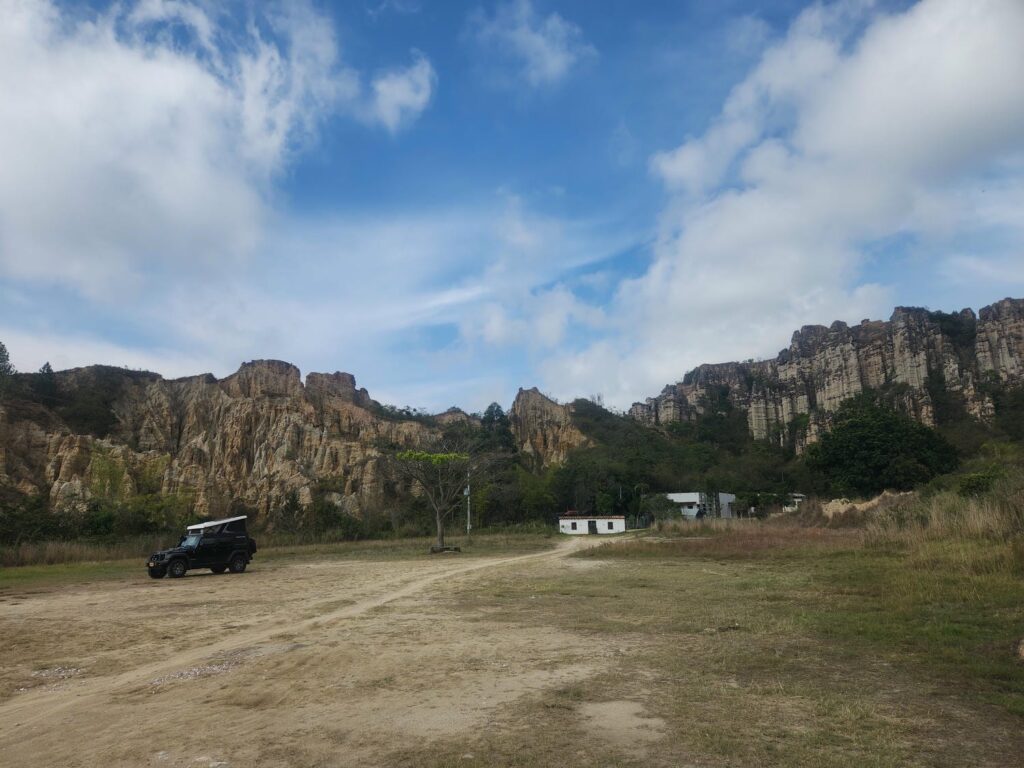

The next morning, Delaney and I went to explore Los Estoraques. The area is famous for its hoodos and mini canyons- it is kind of like Bryce Canyon in Utah, except instead of red sandstone it is all conglomerate rock. We explored lots of the little canyons over a few hours of the morning, finding a few really cool wider areas behind some slot-canyonesque choke points. It was so interesting that we went back in later in the afternoon with Dan and Patricia after they’d explored it on their own as well!


For dinner that night, we decided that we’d walk into town and find a pizza place that they had seen on their drive in. The town of La Playa was beautiful, with whitewashed walls with maroon accents. It was very colonial, with a gridded street system. The center of town was a nice park with lots of trees, with a gigantic stone church abutting the park. We made it to the pizza place, and were sadly disappointed- it was probably some of the worst pizza I’ve ever had. Dan, also a pizza afficionado, was even more disappointed than I was. I should have known better for such a tiny town!


We’d thought about staying an extra day, but we felt like we’d seen all of Los Estoraques, and the open field we were camped in was quite buggy in the mornings and evenings. We headed out the next morning, on another long drive day south.
Sitting at CD5 watching the snow melt is a lot more entertaining with cool South America photos! It looks like you got some K-Pad quality pizza to remind you of home. Looking like an awesome trip!
Boy do I miss hanging out at CD5 with everyone! Hope you guys have a good flood this year.